Understanding the history behind your new home helps it feel like yours. Meet five figures, from Goethe to Dietrich, who shaped modern Germany.
Life in Germany has a way of teaching you things whether you ask or not. You find out that the only supermarket open on a Sunday is inside a train station. That resisting paperwork is futile. That paying by card is still not a given. And that the fabled “German efficiency” somehow never reaches the train timetable. Once you have learnt all that, you can say you have truly arrived.
Getting to know a country goes beyond learning its customs, quirks and unwritten rules. Understanding the history that shaped it can help you feel more connected to its culture and people. If you are aiming to make this place your home for good, you might have already started studying for your Einbürgerungstest (the German citizenship test). Behind the test questions, and beyond them, are some fascinating characters with interesting stories. Here are five worth knowing.

Johann Wolfgang von Goethe was born in Frankfurt in 1749 and went on to become one of the most influential writers in German history. Poet, novelist, playwright and all-round polymath, he was already famous across Europe in his own lifetime.
His best-known works include Faust, a dramatic tale involving ambition, temptation and a deal with the devil, and The Sorrows of Young Werther, a novel of unrequited love so powerful that it set off a wave of heartbreak across Europe.
Goethe wasn’t just sitting around writing poetry, either. He also worked in government and pursued scientific interests.
His name appears in German citizenship-test preparation materials, so it’s worth remembering more than just the fact that he was a writer. Goethe helped shape the German language and literary tradition, and his influence is still felt today.
The next time you walk past a Goethe-Straße, you’ll know you’re dealing with considerably more than a random street name.
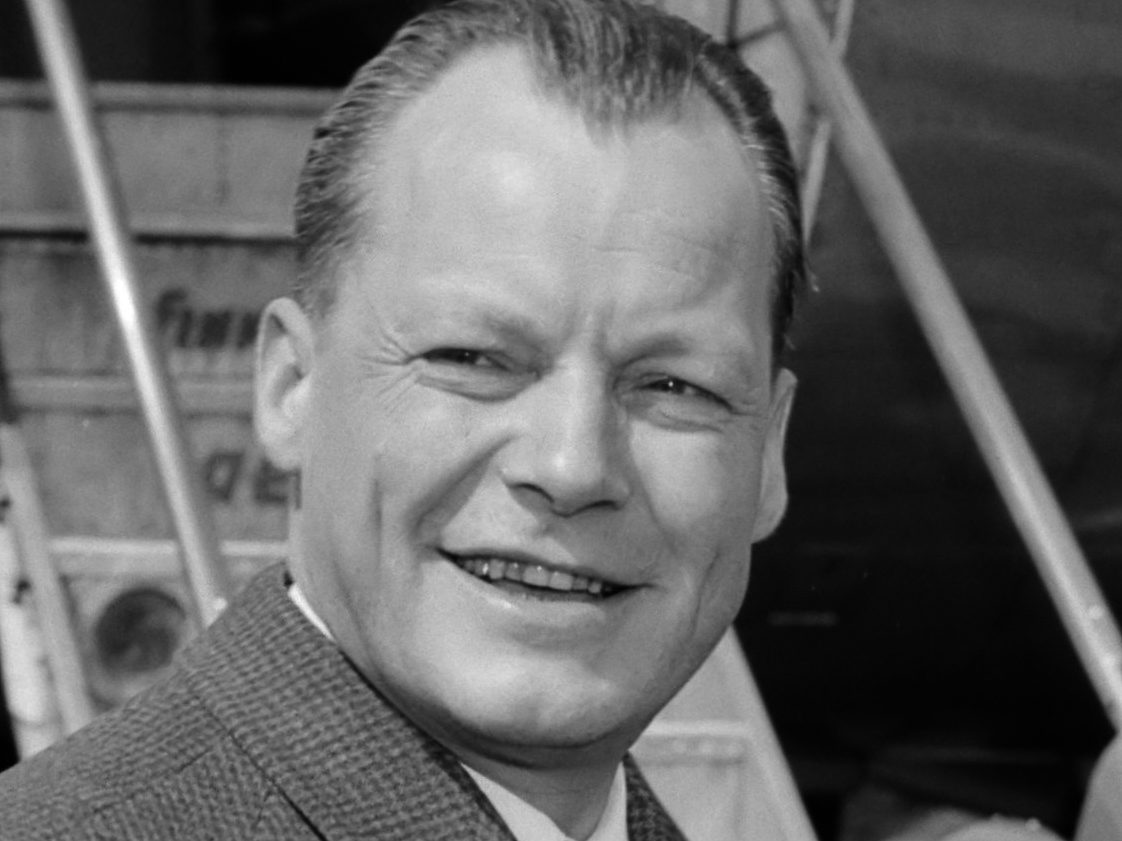
Willy Brandt is remembered for one of the most powerful gestures in post-war German history. Born in Lübeck in 1913, Brandt opposed the Nazis and spent part of their rule in exile. After returning to Germany, he became mayor of West Berlin before serving as Chancellor of West Germany from 1969 to 1974.
His defining moment came in 1970, during a visit to Warsaw. At a memorial to the victims of the Warsaw Ghetto Uprising, Brandt unexpectedly knelt in silence. The Kniefall von Warschau (the Warsaw Genuflection) became a lasting symbol of Germany’s acknowledgement of its responsibility for Nazi crimes.
Brandt also championed closer political ties with East Germany and other states behind the Iron Curtain, a policy known as Ostpolitik, easing tensions during the Cold War. He received the Nobel Peace Prize in 1971.
For anyone preparing for the Einbürgerungstest, Brandt is a particularly useful name to learn about. His story helps explain how West Germany began rebuilding relationships with its neighbours after the Second World War.
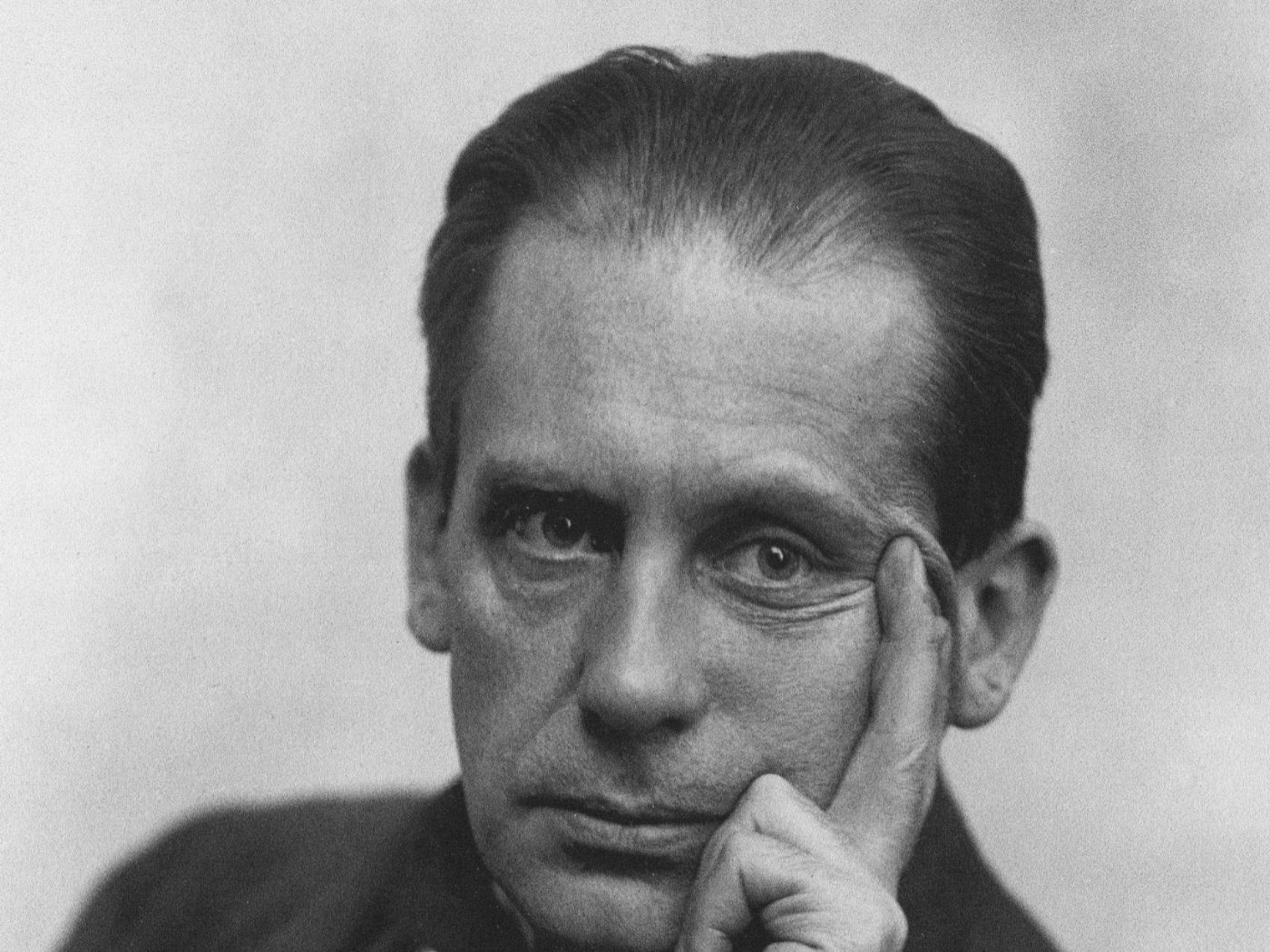
You might not recognise Walter Gropius’s name, but there’s a good chance you’ve encountered his influence.
Gropius was the architect who founded the Bauhaus school in Weimar in 1919. Its aim was to bring art, craft and industrial production together, and its curriculum combined practical craft training with artistic education. The result was an extraordinarily productive environment behind many designs that still feel modern today.
The school moved to Dessau and later to Berlin before closing under Nazi pressure in 1933. Its ideas survived, however, spreading internationally as teachers and students continued their work abroad. Gropius himself eventually settled in the United States.
Today, the Bauhaus has influenced everything from architecture and furniture to graphic design and everyday household objects.
It’s also a useful reminder that Germany’s cultural legacy isn’t limited to literature and philosophy. Sometimes, it’s hiding in plain sight in your living room.
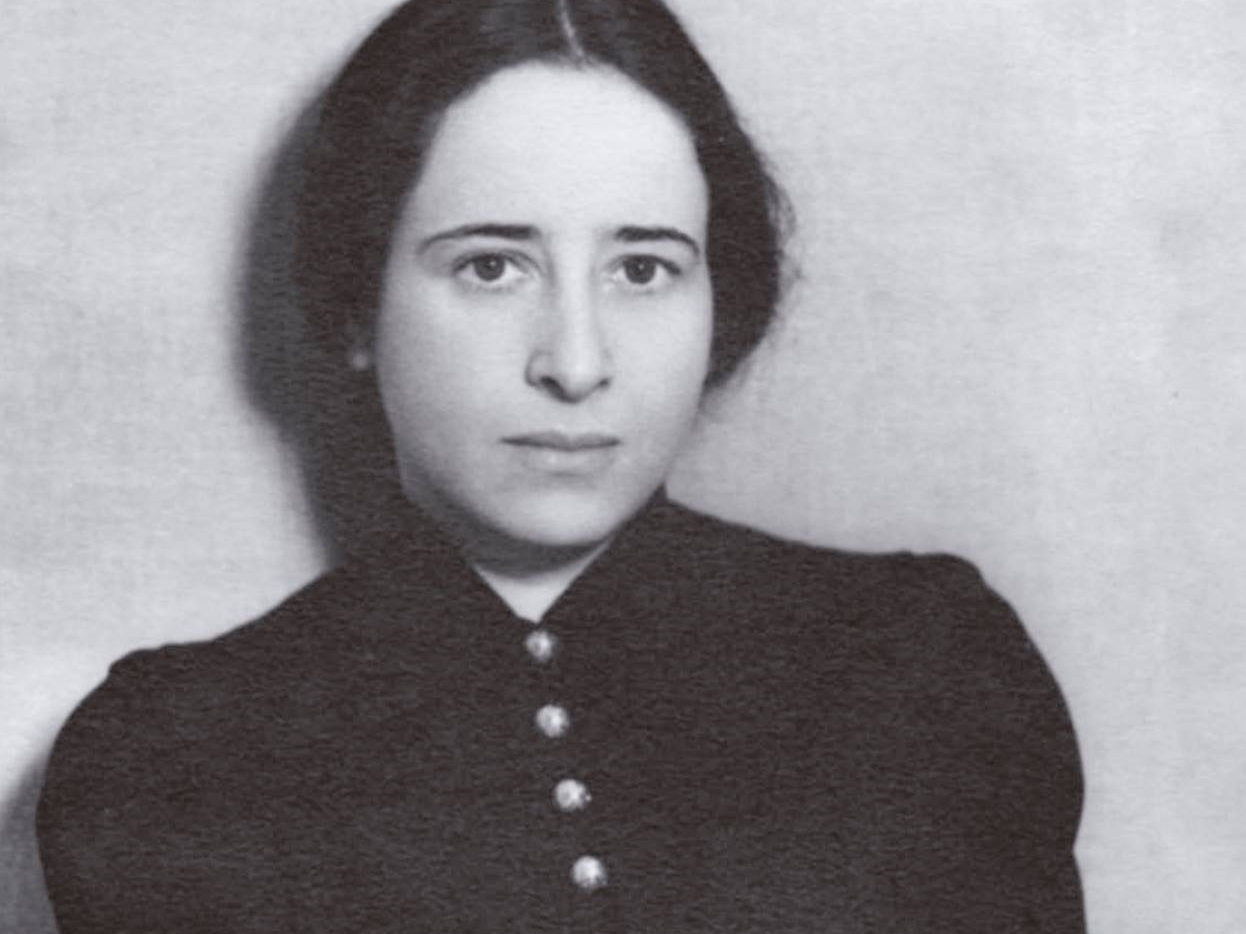
Born in Hanover in 1906 and raised in Königsberg, Arendt studied philosophy in Germany before fleeing the Nazi regime. She eventually settled in the United States and became one of the most influential political thinkers of the twentieth century.
Her best-known concept, the “banality of evil,” emerged from her reporting on the 1961 trial of Adolf Eichmann, a key organiser of the Nazi deportation of Jews. Arendt argued that seemingly ordinary people can end up committing terrible acts through a combination of socially accepted immorality and a failure to reflect on their own actions.
Eichmann, she argued, did not appear as a monster but as a bureaucrat, driven less by antisemitism as such than by something as mundane as career ambition. Her reading remains debated among historians.
For expats, Arendt offers a reminder that understanding German history involves more than learning dates and memorising the names of political leaders. It also means thinking about responsibility, democracy and what happens when people stop questioning authority.
Not exactly light reading for a Sunday afternoon, admittedly. But if you’re going to live in a country whose modern identity is so closely connected to confronting its past, she’s a thinker worth knowing.
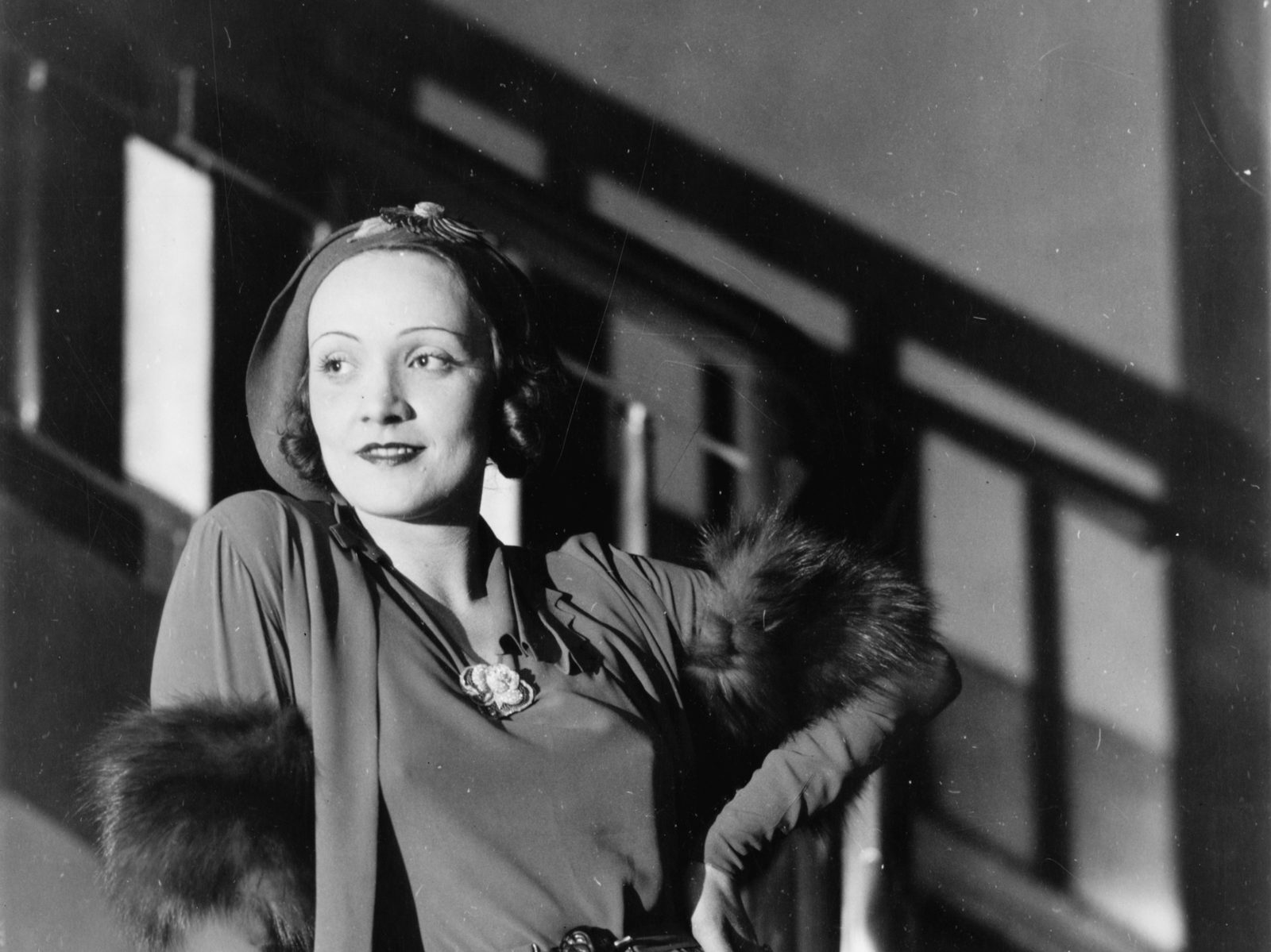
After all that philosophy and politics, let’s finish with a little glamour.
Marlene Dietrich was born in Berlin in 1901 and became an international film star with the 1930 film The Blue Angel. Her distinctive voice, striking style and androgynous glamour helped make her one of the defining screen icons of her era.
When the Nazis came to power, Dietrich rejected their attempts to lure her back to Germany. She became a US citizen in 1939 and supported the Allied war effort, performing for troops and speaking out against the Nazi regime.
Her relationship with her homeland was complicated. Although she spent much of her later life abroad, Dietrich remained closely associated with Berlin. She died in Paris in 1992 and was buried in Berlin’s Friedenau district, not far from where she grew up.
Dietrich’s story is a reminder that German history isn’t only about governments, wars and political movements. It’s also about individuals who made difficult choices, challenged expectations and helped shape popular culture.
These five figures represent very different sides of Germany: literature, politics, design, philosophy and entertainment. Together, they offer a glimpse of a country whose history is considerably richer than the chapters most people remember from school.
Of course, if you’re preparing for German citizenship, cultural curiosity is only part of the picture. The Einbürgerungstest covers a broader range of subjects, including Germany’s democratic system, fundamental rights, history and everyday civic life.
And while you can revise the facts independently, navigating the citizenship process itself can sometimes feel like a historical endurance test of its own. Requirements, documents and deadlines all need attention, and knowing which steps apply to your individual circumstances can make a real difference.
That’s where a little expert support can help. Whether you’re exploring permanent residency or preparing a citizenship application, our team can help you understand the process, organise the paperwork and work out what comes next.
Because becoming a German citizen is about more than knowing who Goethe was or remembering why Willy Brandt knelt in Warsaw. It’s about building your future in the country you now call home.
And if you can do that while impressing someone with an unexpected fact about Marlene Dietrich, all the better.


.jpg)
.jpg)


